

Great-tasting morning coffee doesn’t happen by accident. It’s the result of small, consistent choices: fresh beans, measured doses, the right grind, clean equipment, and mindful milk technique when you make milk drinks. This post walks through practical routine ideas you can adopt tomorrow to notice a real improvement in cup quality.
Each step focuses on a single change you can make without turning your kitchen into a lab. Pick two or three tips to try for a week, record what you like, and build them into a dependable morning ritual.
Start with fresh beans and smart storage
The single biggest improvement you can make is controlling bean freshness. Buy whole beans and store them in a small airtight container away from heat, light, and moisture. For a simple upgrade, move beans into an airtight canister and keep only a week’s worth at room temperature.
If you need a purpose-built option to preserve flavor, consider an airtight container like the one in our Oggi Stainless Steel Coffee Canister for reliable storage and easy access.
Measure and dose consistently
Consistent flavor requires consistent coffee-to-water ratios. Use a simple ratio (for pour-over start around 1:15–1:17) and weigh both coffee and water. A digital scale eliminates guesswork and makes it easy to replicate a brew you like.
For accurate daily dosing, a coffee scale with a timer is a practical tool—you’ll reduce variation and dial in taste faster using a reliable Coffee Scale.
Grind for the method and keep the grinder clean
Adjust grind size to match your brew: coarse for cold brew, medium for drip/pour-over, and fine for espresso. Small adjustments (a click or two on a grinder) can change extraction dramatically. Taste after each change, note the result, and return to the previous setting if you prefer it.
Consistency also requires maintenance. Old grounds and oils accumulate and change flavor profile, so schedule quick cleaning intervals. Products designed for Grinder Cleaning can remove residues and restore even extraction.
Pay attention to water quality and temperature
Coffee is mostly water. Use filtered water if your tap tastes or smells off; mineral content matters, too — very soft water can lead to flat extraction, while very hard water can mask flavors. Aim for water just off the boil for most manual methods (about 195–205°F / 90–96°C). Let freshly boiled water rest 30–60 seconds before pouring.
Measure water temperature with a thermometer or use a kettle with temperature control if you brew often. Small changes in temperature will show up on the first sip.
Match grind and brew bed to your filter
Filters influence flow rate and clarity. Paper filters trap oils and result in cleaner cups; metal or cloth filters allow more body. If your cup tastes muddy or over-extracted, try a coarser grind or change the filter type to influence flow and clarity.
Stocking the right paper and basket filters for your device—especially if you switch between pour-over and drip—will save time and improve consistency. Explore a range of Coffee Filters to match your methods.
Milk texture: simple techniques that transform drinks
If you make lattes or cappuccinos, milk texture is as important as espresso quality. Aim for microfoam: smooth, velvety milk with tiny bubbles and a glossy sheen. Start with cold milk, purge steam wands, and angle the pitcher to create a whirlpool while stretching and then texturing milk.
A good steaming pitcher helps you control both volume and temperature. A purpose-fit Milk Steaming Pitcher with a clear spout and comfortable handle makes it easier to create the right flow and finish.
Simple tools that upgrade taste and convenience
You don’t need a professional setup to improve milk-based drinks—electric frothers and handheld options can dramatically improve morning routines. An electric frother will heat and foam milk reliably for lattes and hot chocolates when you don’t want to steam.
For quick daily froth, try a reliable Electric Milk Frothers or a portable handheld frother when you’re preparing single drinks or traveling.
Routine maintenance: keep machines and parts clean
Regular cleaning preserves flavor and prevents off-tastes. Backflush espresso machines on schedule, descale when you notice scale buildup or reduced heat performance, and run cleaning cycles for automatic makers. Even small deposits in group heads or baskets affect taste.
Use targeted care products such as Espresso Machine Cleaning supplies to keep oils and residues from contaminating your next pull.
Serving: cup size, preheating, and presentation
Serving matters: preheat your mug to stabilize temperature, choose the right volume so the drink stays in balance, and pour immediately after brewing for best aroma. A warmed cup keeps your coffee at the intended temperature for longer and enhances perceived sweetness.
Consider practical, durable options for daily use—sturdy ceramic or double-walled cups impact perception. Browse functional choices like the Mugs & Servers that combine capacity and heat retention for morning routines.
- Buy whole beans; store one week’s supply in an airtight canister.
- Weigh coffee and water every brew and keep a ratio log.
- Adjust grind in small steps and clean the grinder weekly.
- Use filtered water and aim for 195–205°F for most brews.
- Match filter type to the brew for clarity vs. body.
- Texturize milk with a pitcher or frother; practice technique.
- Schedule machine cleaning and descale as needed.
- Preheat cups and serve immediately.
Conclusion — one practical takeaway
Start by adding one repeatable change: measure with a scale for a week and store beans properly. Those two steps alone will reveal how much control you can gain over flavor. Once those habits are stable, add one maintenance or milk technique and keep notes so you can repeat the results.
FAQ
How often should I buy beans?
Buy only what you will use in 1–2 weeks if you want peak freshness. If you prefer variety, smaller quantities keep flavor consistent.
Do I need a scale for a better cup?
Yes. A scale makes dosing predictable and speeds up dialing in. It’s the fastest way to remove inconsistency from your routine.
How often should I clean my grinder and machine?
Brush or vacuum grounds from the grinder weekly for home use; deep-clean or use cleaning tablets on espresso machines per manufacturer guidance or every few weeks depending on use.
Is milk frothing necessary for a tasty coffee?
No—black coffee benefits in flavor from the same principles (fresh beans, proper dose, clean equipment). Frothing matters only if you make milk-based beverages; then technique greatly affects texture and perceived sweetness.
What’s the easiest change for immediate improvement?
Measure both coffee and water with a scale and use fresh, properly stored beans. Those two steps offer the biggest taste lift for the least effort.
Products Featured in This Article

Greater Goods Coffee Scale with Tim…
Product description The video showcases the product in use.The video guides you through product setup.The video…

Oggi Stainless Steel Coffee Caniste…
On the kitchen counter, in the cupboard or pantry; wherever you need a coffee container for…
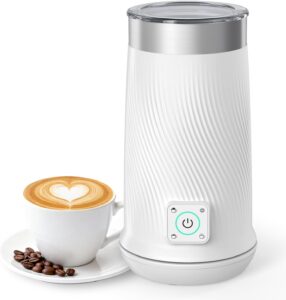
Wowteam Milk Frother, 4-in-1 Electr…
From the brand Effortless Café Luxury at Home We engineered the Wowteam frother to be the…
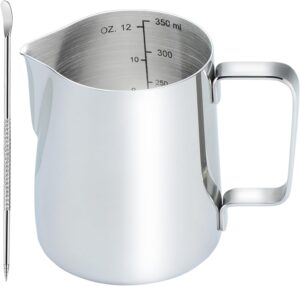
CAMKYDE Stainless Steel Milk Frothi…
Product description There’s nothing like a good cup of delicious, heavenly aromatic coffee. At CAMKYDE, we…

ACTIVE Espresso Machine Cleaning Ta…
Product description The video showcases the product in use.The video guides you through product setup.The video…
