
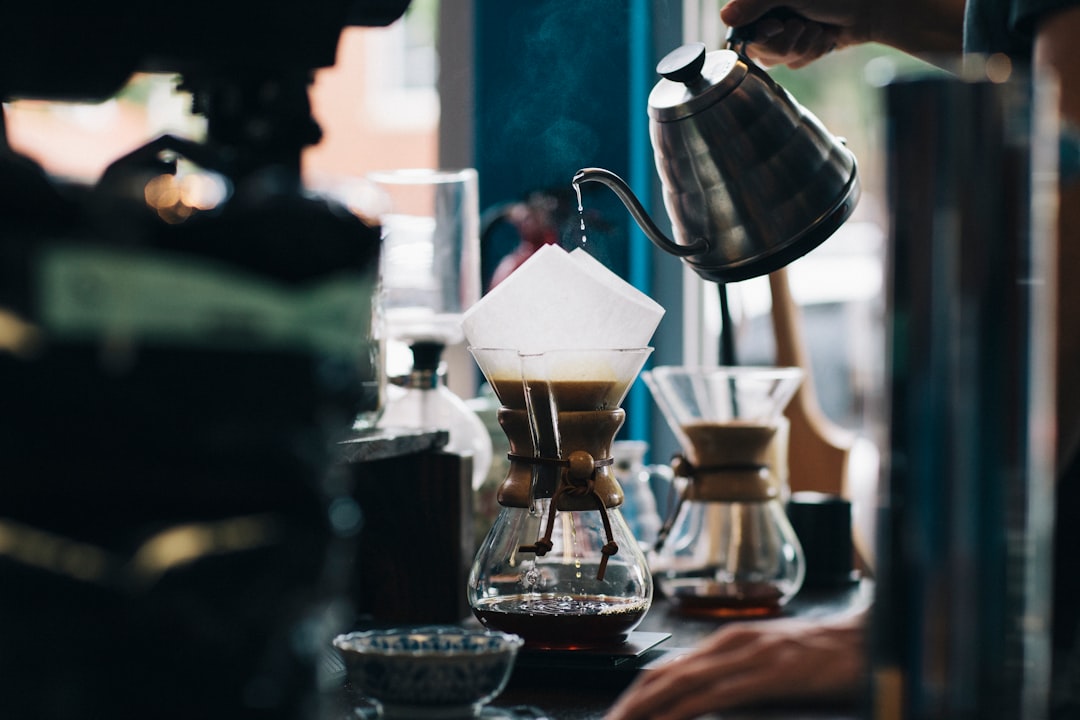
How to Brew Better Coffee at Home
Great coffee at home isn’t about gadgets or luck—it’s about control, consistency, and simple care. Small changes in beans, grind, water, and cleaning will yield clearer, more balanced cups every day.
This guide covers practical steps you can apply right away: choosing and storing beans, dialing in grind and ratio, controlling temperature, and keeping gear in top shape so your coffee tastes as it should.
Choose fresh beans and store them properly
Start with freshly roasted beans from a reputable roaster, and buy only what you’ll use within two to three weeks. Store beans whole and airtight, away from heat, light, and moisture. A purpose-built option will keep beans fresher longer—consider quality solutions for coffee storage to reduce stale flavors and oxygen exposure.
Grind for the brew method and keep your grinder clean
Grind size controls extraction: coarse for French press, medium for drip, fine for espresso. Use a burr grinder and adjust one step at a time; the right grind should yield balanced taste without over- or under-extraction. Regularly remove old grounds and oils—maintaining consistent performance is easier when you use dedicated grinder cleaning tools and products.
Weigh coffee and water—precision matters
Consistency is the fastest route to better coffee. Measure both coffee and water by weight rather than volume. A simple ratio to start is 1:16 (1 gram coffee to 16 grams water) and adjust to taste. If you don’t already use one, invest in reliable coffee scales to make repeatable brews and to track adjustments.
Use the right water and manage temperature
Water is most of your cup—its quality and temperature shape flavor. Use clean, neutral-tasting water; avoid distilled or heavily mineralized water. Aim for brew temperatures between 195–205°F (90–96°C) for most methods. For espresso machines and other equipment that route water through internal components, keep scale and mineral buildup under control by using proper descaling supplies on a scheduled basis.
Match filters and equipment to your method
Paper, metal, and cloth filters all change texture and clarity. Paper filters give a cleaner cup with brighter notes; metal and cloth retain more oils and body. Use the correct filter size and type for your brewer and replace or clean them regularly. For single-serve, drip, pour-over, or specialty methods, check the right coffee filters to ensure proper flow and flavor.
Dial in espresso and milk drinks—and clean afterward
Espresso requires tight control of dose, grind, tamp, and extraction time. Track variables and change only one thing at a time. For milk-based drinks, use chilled milk, a clean steam wand, and a proper pitcher—texture matters. After each session, wipe and purge the wand, backflush where appropriate, and use specialized products designed for machine hygiene; regular use of espresso machine cleaning items protects flavor and equipment longevity.
Keep tools in good repair with routine maintenance
Consistent cleaning extends the life of grinders, brewers, and kettles, and it prevents off-flavors. Create a simple maintenance schedule: daily rinse, weekly deeper clean, and monthly descaling or component checks. For brushes, gaskets, and replacement parts that help you maintain performance, shop maintenance-focused products like those in the Maintenance Tools collection.
Serve with the right vessels
The cup or server affects temperature retention and how aroma reaches the nose. Preheat your cup when possible, and use an appropriately sized mug or server so the coffee cools at the right rate. For consistent serving and presentation, explore quality mugs & servers that suit your brewing routines.
Practical checklist
- Buy whole beans and use within 2–3 weeks of roast.
- Store beans in an airtight container away from heat and light.
- Weigh coffee and water—start with a 1:16 ratio.
- Use the grind size matched to your brew method; clean the grinder weekly.
- Use clean, neutral water at 195–205°F for brewing.
- Replace or clean filters and wipe equipment after each use.
- Follow a maintenance schedule: daily rinse, weekly clean, monthly descale.
FAQ
Q: How often should I clean my grinder?
A: Remove loose grounds daily and deep-clean with a brush or cleaning pellets about once a week, depending on use and bean oils.
Q: What’s the easiest way to improve a weak-tasting cup?
A: Increase dose slightly or use a finer grind to boost extraction; also ensure water temperature is in the 195–205°F range.
Q: How long can I keep beans in the freezer?
A: Freezing can extend life for long-term storage, but avoid frequent freeze-thaw cycles. For regular home use, room-temperature coffee storage solutions are simpler and effective.
Q: My espresso tastes bitter—what should I check?
A: Bitterness often means over-extraction: try a coarser grind, shorter extraction time, or slightly lower dose. Also inspect the machine for scale and residue; regular descaling supplies and espresso machine cleaning products will help restore proper flow and flavor.
Q: Do I need a scale for pour-over?
A: Yes—scales make it easier to hit consistent ratios and control pour rate. A small, accurate coffee scale is a worthwhile investment.
Q: What maintenance tools should I keep on hand?
A: Keep a set of brushes, replacement filters, descaler, and basic tools for quick fixes—browse focused Maintenance Tools and cleaning supplies.
Conclusion
Better coffee at home comes down to three things: quality ingredients, measured technique, and regular care. Start with fresh beans and good storage, measure and control grind and ratios, maintain equipment, and serve in the right cup. Apply one improvement at a time and you’ll notice steady, reliable gains in every cup.
