
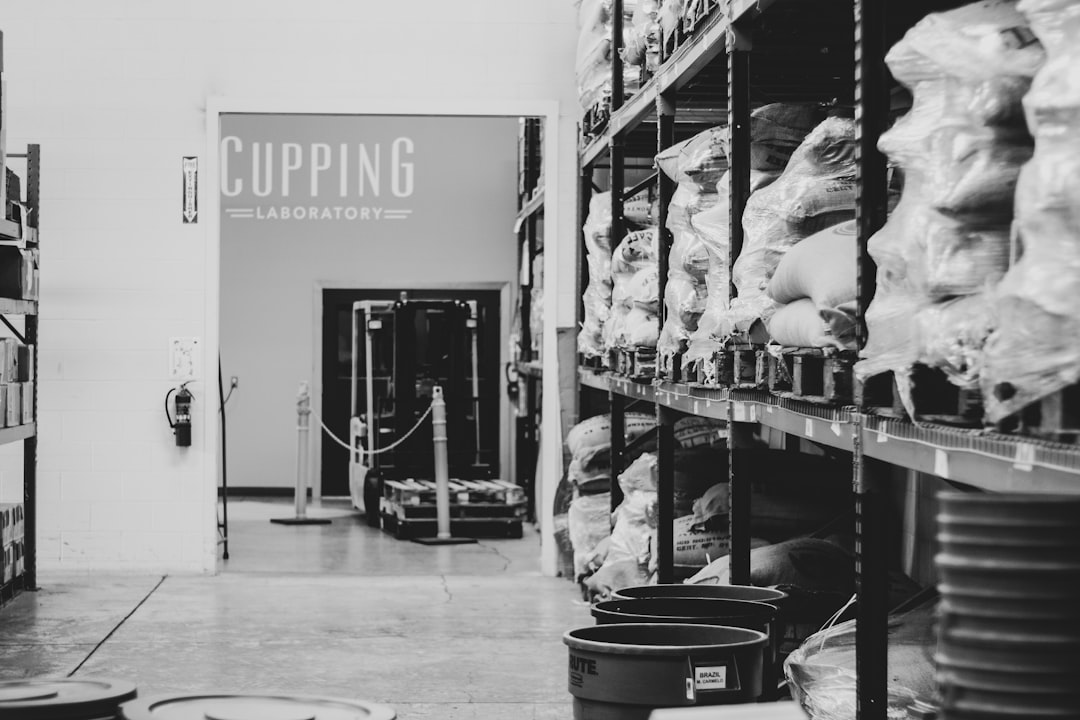
Storing coffee beans correctly preserves freshness, flavor, and aroma so your daily cup tastes the way the roaster intended. Small choices—container type, location, and portioning—have outsized effects on how long beans stay vibrant after roast.
This guide covers practical, evidence-based methods you can adopt today. For equipment and category recommendations related to storage and daily brewing, check our selection at Daily Brew Tools.
Why storage matters
Coffee is full of volatile oils and gasses that drive aroma and taste. After roasting, beans release CO₂ while also absorbing oxygen, moisture, and odors from the environment. Exposure to light, heat, oxygen, and humidity accelerates staling. Good storage slows these processes so brewed coffee remains balanced and lively.
Whole beans vs. ground: impact on shelf life
Whole beans retain freshness far longer than pre-ground coffee because they have less surface area exposed to oxygen. Grind only what you need for the next brew—this is the single most effective step to preserve flavor. If you must keep ground coffee, treat it as a short-lived product and plan to use it within a week for best results.
Best containers to use
Choose containers that minimize oxygen exchange, block light, and seal tightly. Recommended options include opaque ceramic or stainless-steel canisters with airtight lids, or bags with one-way valves if you buy small batches frequently. For dedicated storage solutions, browse our curated Coffee Storage offerings.
Where to store beans at home
Location matters more than fanciful containers. Keep beans in a cool, dark cabinet away from heat sources (oven, stove, dishwasher) and direct sunlight. Avoid clear jars on a windowsill. A pantry or cupboard near but not above appliances is ideal.
If you decant beans for serving or pour freshly ground coffee to the table, use appropriate servers or mugs that keep coffee insulated and mess-free—consider our range of Mugs & Servers to make daily rituals easier.
Portioning, grinding, and your daily workflow
Plan a simple workflow: store the main supply in a sealed container, portion daily amounts into a small container or hopper, and grind immediately before brewing. Consistent dosing matters—use a scale to measure beans by weight for repeatable results. If you’re optimizing your routine, check our selection of Coffee Scales for precise portion control.
Brew method, filters, and storage considerations
Your brew method affects how long a particular roast profile remains enjoyable. Light roasts show brighter notes that fade faster; darker roasts are more forgiving. Filter type can also shape perception of freshness—paper filters remove oils and can make stale notes more obvious, while metal filters let oils through and sometimes mask minor staling. Keep your filter supply organized and matched to the method you use: see options for Coffee Filters.
Long-term storage: freezing, vacuuming, and one-way valves
Freezing is a pragmatic option for long-term preservation if done correctly: divide beans into small, airtight portions and freeze only once. Avoid repeated thawing and refreezing. If you buy in bulk and plan to use portions over months, vacuum sealing or bags with one-way valves helps manage CO₂ release while limiting oxygen exposure. For daily use, leave a small working amount at room temperature and keep the rest frozen or sealed.
On the go: storing beans while traveling
If you bring beans on trips or hikes, protect them from heat and crushing. Sturdy, airtight travel containers preserve freshness better than plastic bags. For portable solutions and travel-focused gear, see our Travel Coffee Gear options that balance protection and portability.
Cleaning and maintenance of storage and grinders
Cleanliness preserves flavor. Oils and old grounds trapped in grinders, hoppers, or canister lids transfer stale notes to fresh beans. Regularly empty and brush hopper areas, and use recommended cleaning products on burrs and chambers. For targeted maintenance, we offer tools for Grinder Cleaning to keep equipment performing optimally.
Routine care and schedule
Establish a simple schedule: wipe and inspect storage lids weekly, deep-clean grinders monthly (depending on use), and rotate stock so older bags are used first. For broader maintenance and descaling supplies across machines and accessories, explore our Cleaning & Care collection.
Quick checklist
- Buy whole beans and grind fresh for each brew.
- Store beans in an opaque, airtight container in a cool, dark place.
- Portion daily amounts to avoid repeated exposure.
- Freeze long-term purchases in single-use portions if needed.
- Clean grinders and containers on a schedule to prevent stale transfer.
FAQ
- How long do whole beans stay fresh? At room temperature in a sealed, dark container, most beans taste best within 2–4 weeks after roast; lighter roasts peak earlier. Freezing can extend usability for months if portioned and handled properly.
- Should I refrigerate coffee beans? No—refrigeration exposes beans to frequent humidity and odor changes when opened. Stick to cool, stable cabinet storage or freezing for long-term.
- Does grinding in advance help? Grinding in advance accelerates staling. Grind immediately before brewing for best flavor; if you must grind in advance, keep grounds sealed and use within a few days.
- Are one-way valve bags necessary? They’re very helpful for roasted beans because they allow CO₂ to escape without letting oxygen in, improving short-term storage and shipping safety.
- Can old beans be saved? While you can repurpose stale beans for cold brew or flavored infusions, once aromatics are lost they can’t be fully restored—prevention through proper storage is best.
Conclusion
Store whole beans in opaque, airtight containers in a cool, dark place, portion for daily use, grind fresh, and keep equipment clean. Implementing these simple habits preserves the roast’s intended flavors and saves you time and money. Start with one change—use a proper storage container or scale—and you’ll notice a measurable improvement in your daily cup.
