
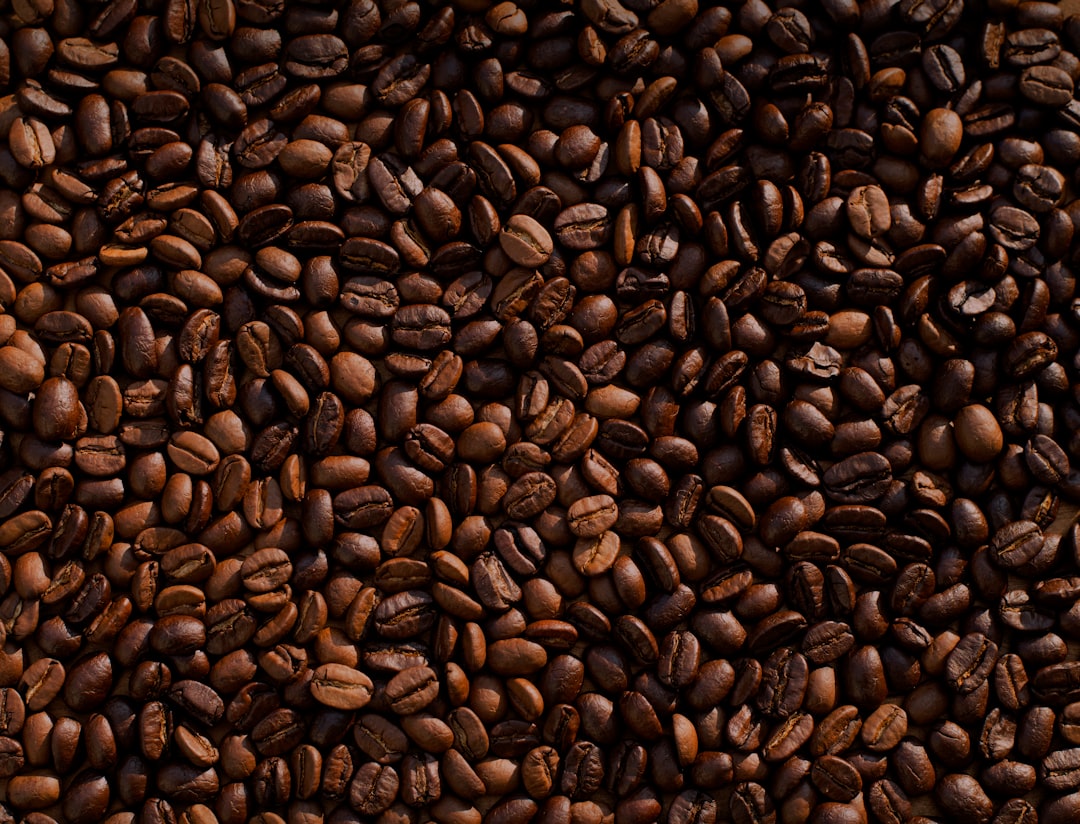
How to Get More Flavor From Coffee Beans
Great coffee starts before the brewer turns on. The difference between a flat cup and one that sings lies in how you choose, store, grind and extract your beans. Small adjustments at each step add up to noticeably better flavor.
This guide walks through practical, high-return actions you can take today: sourcing and storing beans, dialing in grind and dose, tuning water and temperature, keeping equipment clean, and choosing the right brew methods. For storing ideas and products, see Coffee Storage.
Pick the right beans—fresh and appropriate roast
Start with beans roasted within the last few weeks. Look for a roast date, not a best-by date. Lighter roasts preserve more origin character (fruit, floral, acidity) while darker roasts emphasize chocolate and caramel notes. Match the roast to your brew method: lighter for pour-over or filter, medium for drip, and medium-dark for espresso or moka styles.
When your beans arrive, move a usable amount into an airtight container and keep the rest sealed to minimize exposure to air. A sturdy container helps maintain aroma and slows staling—consider options like the Oggi Stainless Steel Coffee Canister for short-term storage on the counter.
Grind for freshness and consistency
Freshly grinding beans right before brewing is one of the highest-impact steps you can take. Whole beans lock in volatile aromatics; grind them and you expose those aromatics to oxygen, causing them to fade quickly.
Adjust grind size to match your method: coarse for cold brew and French press, medium for drip, fine for espresso. Consistency matters—uneven grind produces over-extraction (bitter) and under-extraction (sour) in the same cup. If you already own a grinder, keep it well maintained: regular cleaning prolongs consistent particle size and prevents old oils and trapped grounds from muting flavor. See tools for maintenance under Grinder Cleaning.
Weigh your coffee and water (use ratios)
Guesswork sabotages repeatability. Measuring coffee and water gives predictable results and makes it easy to taste changes when you tweak variables.
A reliable starting point is a 1:16 coffee-to-water ratio by weight (e.g., 20 g coffee to 320 g water). For stronger cups, move to 1:15; for lighter, try 1:17–1:18. Use a scale with a tare function to measure accurately. If you don’t have one yet, look at the Coffee Scales category for options that improve consistency and make dialing in simple.
Tune water quality and temperature
Coffee is 98–99% water—so its taste matters. Use filtered water free of strong chlorine or mineral extremes. A balanced mineral content (not overly hard or soft) extracts flavor compounds effectively. If your tap water tastes off, filter it before brewing.
Temperature matters by brew method: 195–205°F (90–96°C) is a good target for most pour-overs and drip; slightly cooler can be better for light roasts, slightly hotter for darker roasts. For moka pots and espresso-style extraction, aim for the method-specific ranges recommended by the manufacturer. Keep kettles and brewers clean to avoid off-flavors from scale or residue.
Choose the right brew method and filters
Your brew method shapes texture and flavor clarity. Pour-over and paper-filtered drip highlight clarity and acidity; metal filters retain oils and body for a heavier mouthfeel. French press gives full body but can be muddied by fines. Espresso concentrates sweetness and acidity into a quick, intense shot.
If you use paper or specialty filters, swap them occasionally and use the correct size and shape for your dripper—clean filters produce cleaner extractions. Browse the Coffee Filters category for replacement options and shapes that match your brewers.
For stovetop lovers, don’t underestimate extraction control in a moka pot. Proper grind, dose, and heat control yield rich, concentrated coffee that’s great alone or as a base for milk drinks. If you enjoy intense, brewed coffee at home, check techniques for Moka Pots.
Keep equipment clean and well maintained
Residue, old oils and scale are flavor killers. A clean grinder, brewer, and espresso group head produce bright, consistent cups. Backflushing and using appropriate cleaning agents removes oils from espresso machines; regular descaling prevents mineral buildup that affects temperature and extraction.
Routine maintenance pays off in every cup. If you own an espresso machine, stock up on appropriate detergents and cleaning tablets and follow the manufacturer schedule. Look into professional-grade solutions in the Espresso Machine Cleaning category.
Serve at the right temperature and with the right vessel
Serving temperature influences perceived sweetness and aroma. Aim to serve brewed coffee between 135–150°F (57–66°C); hotter can mask flavor, cooler can make the cup taste flat. Pre-warm cups or servers to prevent rapid heat loss—ceramic or insulated vessels help retain temperature and aroma.
Choose a vessel that matches the volume and style of the coffee: wide bowls for aeration on espresso-based drinks, taller mugs for drip. Consider options from the Mugs & Servers selection to improve thermal retention and presentation.
Small routine practices that yield big flavor gains
- Buy whole beans in small batches; use within 2–4 weeks of roast when possible.
- Grind immediately before brewing to capture volatile aromatics.
- Weigh coffee and water for repeatable results; note adjustments in a brew journal.
- Use clean equipment and filtered water for neutral background and better extraction.
- Adjust grind, dose and brew time incrementally—change one variable at a time.
Quick checklist
- Check roast date when buying beans.
- Store unused beans in an airtight container.
- Clean grinder and brewer weekly.
- Weigh coffee and water; start at 1:16 ratio.
- Use filtered water; target appropriate brew temperature.
- Choose the correct filter and grind size for your method.
- Pre-warm serving vessels.
FAQ
Q: How long after roasting are beans best?
A: Flavor peaks usually 3–14 days after roasting for many styles, but use within 2–4 weeks for best results. Single-origin light roasts may show better complexity earlier.
Q: Does grinding finer always make coffee stronger?
A: A finer grind increases extraction rate, which can yield stronger flavor up to a point—but over-extraction causes bitterness. Adjust dose and brew time alongside grind.
Q: Can I use tap water?
A: If your tap water tastes neutral and has balanced mineral content, it’s fine. If it tastes off or is very hard/soft, filter it for better extraction and flavor clarity.
Q: How often should I clean my grinder and brewer?
A: Light cleaning weekly for home use, with a deeper clean (brushes, detergent, descaling if needed) monthly or per manufacturer recommendations. Clean more often with oily, flavored, or dark roasts.
Q: Will paper filters remove desirable coffee oils?
A: Yes—they trap oils and fines, producing a cleaner, brighter cup. Metal filters leave oils in the cup for more body and a heavier mouthfeel.
Conclusion
Getting more flavor from your beans is a series of straightforward steps: source fresh beans, store them well, grind consistently, measure precisely, control water and temperature, and keep equipment clean. Try one change at a time—measure the difference—and you’ll quickly learn which tweaks make the biggest improvement for your taste.
Products Featured in This Article

Oggi Stainless Steel Coffee Caniste…
On the kitchen counter, in the cupboard or pantry; wherever you need a coffee container for…
