
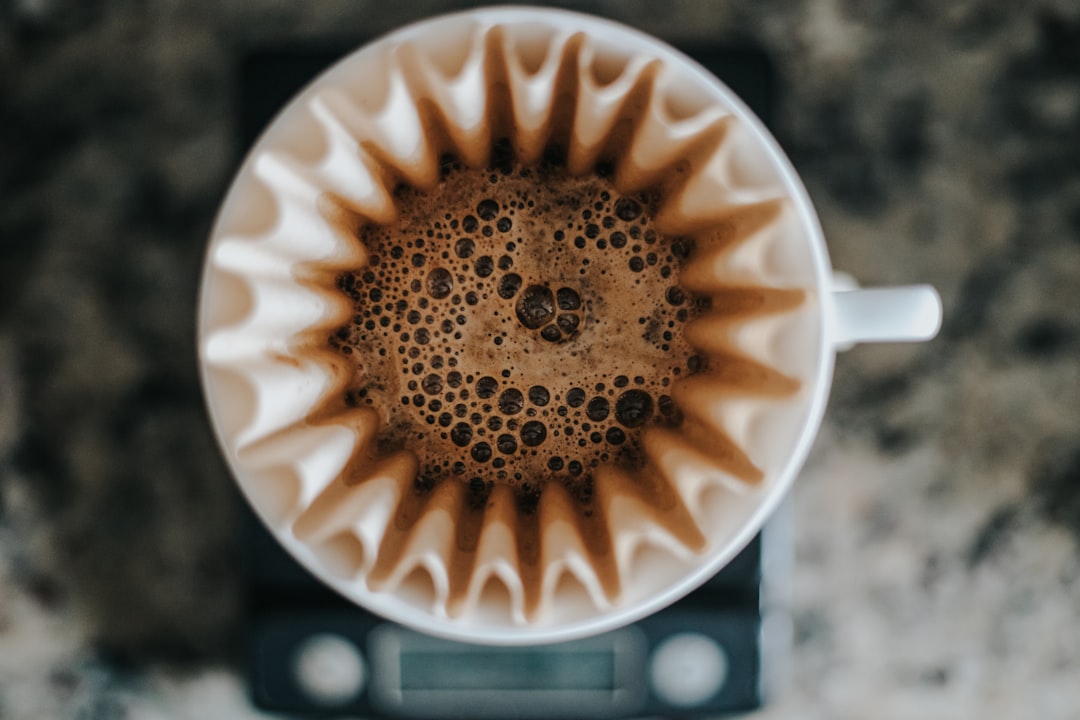
Choosing the right coffee filter is one of the simplest changes you can make for better, more consistent coffee. The filter affects clarity, body, extraction, and cleanup—so it’s worth a few minutes of thought before you buy a box.
This guide breaks down the key differences between filter types, how filter shape and grind size interact, and practical tips for matching a filter to your brew method and lifestyle. You’ll finish knowing what to buy and why.
Why filter choice matters
Filters control which particles and oils reach your cup. Paper filters trap most oils and fines, producing a cleaner cup. Metal and cloth filters allow more oils and micro-fines through, increasing body and perceived strength. The filter also affects flow rate: a dense filter slows extraction and can change flavor balance.
Types of filters: paper, metal, cloth, and pods
Most home brewers use one of four categories. Paper filters (bleached or unbleached) are single-use and consistent. Metal filters—stainless or gold—are reusable and durable but require rinsing. Cloth filters are more seasonal and need careful drying. Finally, reusable pod filters fit single-serve brewers and save waste.
For a quick way to compare styles and buy options, check the selection in our Coffee Filters category.
Filter shape and fit: cone vs. basket vs. flat-bottom
Shape matters because it changes bed depth and flow. Cone filters (single or double) concentrate grounds and generally require slightly finer grinds and a focused pour. Basket or flat-bottom filters spread grounds wider and often work well with medium grinds and automatic drip machines.
If you use a standard home drip machine, many come with basket-style requirements—check compatibility before buying replacement filters for machines like the BLACK+DECKER 12-Cup Digital Coffee Maker or similar models.
Grind size and filter pairing
Match grind to filter and brew method for consistent extraction. Quick reference:
- Fine — espresso, metal micro-filters.
- Medium — cone/basket paper filters, pour-over.
- Coarse — French press (no paper) and cold brew.
Finer grinds increase surface area and extraction speed; if your filter clogs (slow flow) switch coarser or use a larger pore filter. If your cup tastes weak or under-extracted, try a finer grind or tighter filter.
Picking filters by brew method
Each method benefits from specific filter choices:
- Pour-over (V60, Kalita): cone or flat paper depending on device; metal if you want more body.
- Drip machines: basket paper filters sized to the basket or an appropriate reusable basket filter.
- French press: avoid paper—use a metal mesh plunger and coarser grind for cleaner separation.
- Moka pot: no paper—metal chamber and fine-to-medium grind; if you’re exploring Moka, review compatible gear in our Moka Pots selection.
- Cold brew: coarse grind and long steep; many use a reusable mesh bag or paper for final filtering—see our cold-brew specific options under Cold Brew Makers.
Reusable vs disposable: flavor, cost, and waste
Reusable filters save money and reduce waste, but they change flavor and require cleaning. A stainless steel mesh lets oils through for a fuller cup and is convenient long-term. For single-serve machines, reusable pods offer the same benefits for your favorite grounds.
If you use a Keurig-style brewer and want to avoid single-use pods, consider the 2 PACK Stainless Steel Reusable K C… product—an easy, reusable pod option compatible with many models.
For single-serve machines, check compatibility with your machine model—some models like the Keurig K-Elite Single Serve have specific filter and pod sizing, so match reusable pods accordingly.
Caring for reusable filters
Cleaning extends the life of metal and cloth filters and keeps flavors clean. Rinse immediately after use, dry fully to avoid mold (cloth), and deep-clean weekly by soaking in hot water and a mild detergent. For stubborn oils and buildup, use a dedicated cleaner or backflush product targeted to your equipment.
For machine and filter maintenance products, see our Cleaning & Care category to keep filters and machines performing at their best.
Buying tips and good accessories to pair
Measure before you buy. Check diameter and depth of your brewer’s basket or cone. If you’re replacing filters for a drip machine, buy the correct size and type—many machines use a basket filter compatible with models like the BLACK+DECKER 12-Cup Digital Coffee Maker replacement filters or reusable baskets.
Other accessories that improve results: a scale for dosing, proper storage for beans, and a go-to carafe or server. Store beans in an airtight canister to maintain freshness—see options like the Oggi Stainless Steel Coffee Caniste… for practical storage.
Checklist: quick buying and setup guide
- Confirm your brewer’s filter shape and size (cone vs basket).
- Match grind size to filter and method (fine-to-coarse scale).
- Choose disposable paper for clarity, metal/cloth for body.
- If reusable, plan for daily rinsing and weekly deep cleaning.
- Buy airtight storage for beans and a scale for repeatable dosing.
- Test one variable at a time: grind, temperature, or filter type.
FAQ
Q: Do paper filters remove flavor?
A: Paper filters trap oils and micro-fines that add body and some aroma; they make a cleaner, brighter cup but can reduce perceived richness compared with metal filters.
Q: Can I use a metal filter in a drip machine?
A: Often yes if the metal filter fits the basket. Metal speeds flow and allows more oils—expect a fuller body. Confirm the filter fits your machine’s dimensions.
Q: How often should I replace paper filters?
A: Replace every brew—disposable filters are single-use. Store unopened boxes in a dry place to avoid odors or moisture.
Q: Are reusable pods worth it?
A: If you brew single-serve often and want to save money or reduce waste, reusable pods like the stainless steel options are cost-effective and offer control over grind and roast choice.
Q: Will cloth filters get moldy?
A: Cloth filters must be rinsed and dried between uses; improper drying can lead to mold. Replace cloth filters periodically as recommended by the maker.
Conclusion
Picking the right coffee filter is about matching filter material and shape to your brew method and taste preferences. Start by identifying your brewer’s filter type, match grind size, and decide whether you want the clarity of paper or the body of a reusable filter. With a little testing and consistent cleaning, you’ll get a better cup every morning.
Products Featured in This Article

2 PACK Stainless Steel Reusable K C…
Product description Reusable k cups for keurig FAQ The YEOSEN keurig pods reusableare specially designed to…

Oggi Stainless Steel Coffee Caniste…
On the kitchen counter, in the cupboard or pantry; wherever you need a coffee container for…

Keurig K-Elite Single Serve K-Cup P…
The Keurig K-Elite® single serve coffee maker blends premium finish and programmable features together to deliver…

BLACK+DECKER 12-Cup Digital Coffee …
Brew your daily coffee fast with the BLACK+DECKER™ 12-Cup* Programmable Coffeemaker. QuickTouch™ Programming buttons make it…
