
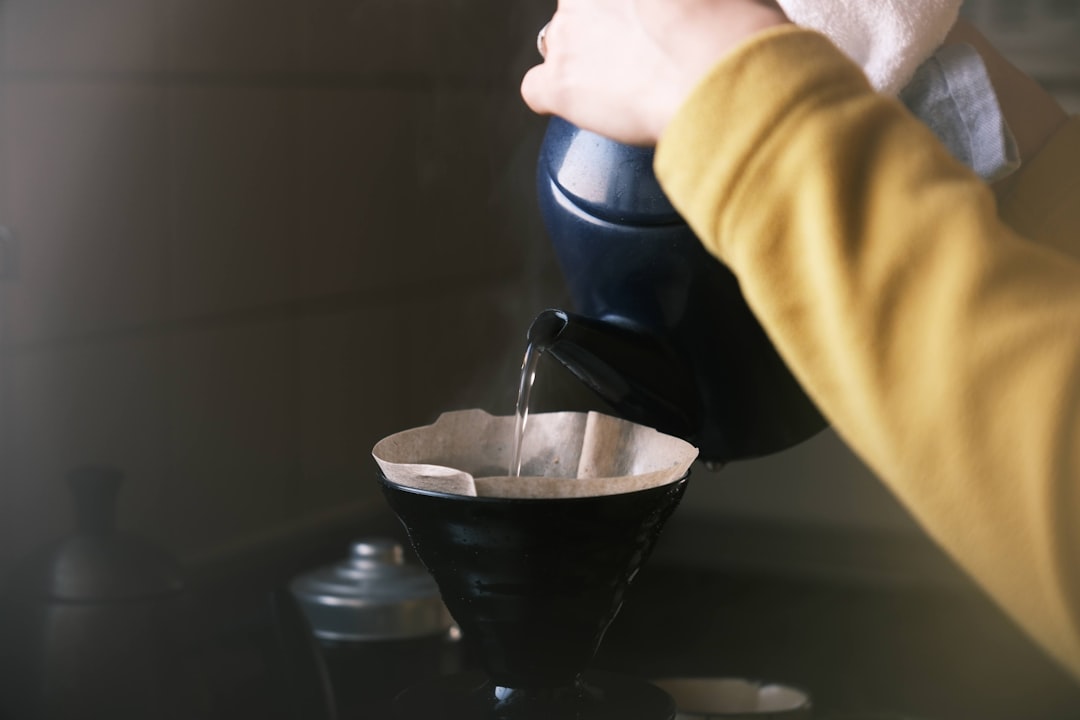
Manual Brewing Guide for Coffee Lovers
Manual brewing puts control back in your hands. It’s the easiest way to dial in a cup that matches your taste: brighter, sweeter, heavier, or cleaner depending on variables you tweak. This guide focuses on practical steps, reliable gear, and maintenance so you spend less time guessing and more time enjoying consistent coffee.
Whether you’re new to pour-over or want to expand into Moka pot and cold brew territory, these methods share the same foundation: good beans, correct grind, repeatable routines, and clean equipment.
Why Choose Manual Brewing?
Manual brewing rewards attention. Small adjustments—grind size, dose, water temperature, bloom time—have predictable effects. That makes troubleshooting straightforward and results repeatable once you find a sweet spot. It’s also affordable: many great manual methods require modest investment and minimal counter space.
Beyond taste, manual brewing connects you to the process. Measuring, smelling, and timing each step trains your palate and helps you appreciate the beans you buy.
Essential Gear
Start with core tools you’ll use every day: a reliable scale, clean filters, and a good server or mug to brew into. Scale accuracy matters—aim for one that measures in grams to the nearest 0.1 g for precise dosing.
Find precise measurements and models tailored to coffee at Coffee Scales. A scale removes guesswork from dosing and brew time.
Filters influence clarity and mouthfeel. Choose paper or metal depending on the method and the body you prefer. Browse suitable options at Coffee Filters.
Choose a server or dedicated brewing mug that’s heat-stable and pours well—especially for pour-over. Practical options are available under Mugs & Servers, which also serve as convenient storage for finished coffee.
Beans and Proper Storage
Freshness starts with whole beans and ends with proper storage. Buy in small batches and note roast dates. Store beans in a cool, dark place in an airtight container to limit oxygen exposure and flavor loss.
Investing in the right containers preserves aroma and extends shelf life; see airtight options at Coffee Storage. Rotate beans so the oldest are used first.
Water, Grind, and Ratios
Water quality and temperature shape extraction more than most people expect. Use filtered water with balanced mineral content. Aim for 195–205°F (90–96°C) for most methods. Below that range extraction underperforms; above it, bitterness increases.
Grind size must match method: coarse for French press, medium-coarse for Chemex, medium-fine for V60, and fine for espresso or Moka pot. Adjust grind in small steps and taste after each change to learn how it affects balance and mouthfeel.
Standard starting ratios: 1:15–1:17 (coffee:water by weight) for drip and pour-over; 1:12–1:14 for Moka pot; and 1:8–1:12 for espresso-style brews. Cold brew uses a much higher ratio depending on whether you make a concentrate or ready-to-drink batch.
Brewing Methods: Quick Comparisons
Pour-over: precise, clean, and flexible. Control pour rate and agitation to adjust clarity and strength. Use a consistent bloom (30–45 seconds) to allow CO2 to escape for even extraction.
French press: fuller-bodied with more oils and sediment. Coarser grind and longer immersion (3–5 minutes) produce rich, heavy brews suitable for milk drinks or those who prefer body over clarity.
Moka pot: concentrated stovetop coffee with espresso-like intensity. Grind a bit finer than drip but coarser than espresso to avoid channeling. For step-by-step Moka guidance and product options, see Moka Pots.
Cold brew: low-acid, smooth, and excellent as a concentrate. Coarse grind and long steep (12–24 hours) extract sweet, chocolatey notes. If you want an easy kit or pitcher system, check Cold Brew Makers.
Milk and Milk-Based Drinks
If you enjoy lattes or cappuccinos, quality milk tools make a difference. A proper steaming pitcher helps you shape microfoam and control pour speed for consistent texture and latte art. Start with a well-sized stainless pitcher; you’ll find suitable sizes and designs at Milk Steaming Pitchers.
Handheld frothers or electric frothers can also produce good foam for home drinks if a steam wand isn’t available. Match the tool to the drinks you make most often to avoid redundant purchases.
Maintenance and Cleaning
Regular cleaning keeps flavor pure and equipment long-lived. Clean grinders, scales, and brewing vessels after use; deep-clean and descale as recommended. Coffee oils and residue quickly change taste and clog small components.
For grinder and burr maintenance, follow a schedule and replace dosing screens or burrs as they wear. Practical cleaning tools and supplies are listed under Grinder Cleaning.
Step-by-Step: A Simple Pour-Over Routine
- Heat water to ~200°F (just off boil).
- Weigh 18 g coffee to 300 g water (1:16 ratio) and grind medium-fine.
- Place filter in dripper, rinse with hot water, and discard rinse water.
- Add grounds, level the bed, start a 30–45 second bloom with 40–60 g water.
- After bloom, pour slowly in concentric circles until you reach total water weight.
- Target total brew time: 2.5–3.5 minutes. Adjust grind if outside this range.
Checklist: Quick Daily Routine
- Weigh beans and water precisely.
- Grind fresh just before brewing.
- Pre-rinse filters and warm server.
- Use consistent pour technique and timing.
- Clean equipment after use; empty grounds and rinse.
FAQ
- How often should I clean my grinder? Clean the dosing chamber and hopper weekly and deep-clean burrs monthly, depending on use and oiliness of beans.
- What grind size should I start with? Use medium for pour-over, coarse for French press, and fine for Moka pot; then tweak to taste.
- Is filtered water necessary? Yes—filtered water with balanced minerals improves extraction and prevents off-flavors.
- How long do whole beans stay fresh? Use within 2–4 weeks of roast for optimal flavor; store in airtight containers in a cool, dark spot.
- Can I froth milk without a steam wand? Yes—handheld frothers and electric frothers work well for at-home lattes; a good pitcher helps shape foam.
Conclusion
Manual brewing is about consistent, repeatable habits: measure, grind, pour, and clean. Adopt a simple routine, keep key tools on hand, and practice tasting to understand how adjustments change your cup. With modest gear and a little patience, you’ll produce better coffee and enjoy the process.
